Mary Lou Retton Net Worth and the Reality Behind an Olympic Icon
When people search for Mary Lou Retton’s net worth, they’re usually surprised by what they find. Retton is one of the most recognizable names in American sports history—the first U.S. woman to win Olympic all-around gold in gymnastics and a cultural icon of the 1980s. For many fans, that legacy automatically suggests lasting wealth. The reality, however, is more complex. While she earned significant money at the height of her fame, her financial story reflects the unique challenges faced by Olympic athletes: short competitive careers, brief endorsement windows, and long lives after the spotlight fades.
Understanding Mary Lou Retton’s net worth means looking beyond medals and nostalgia and examining how athletic fame actually translates into long-term financial security.
Who Is Mary Lou Retton? Early Life and Gymnastics Career
Mary Lou Retton was born in Fairmont, West Virginia, and showed exceptional athletic talent from a young age. As a teenager, she moved to Houston to train under elite coaches Béla and Márta Károlyi, a decision that placed her among the top gymnasts in the world.
Gymnastics, unlike many professional sports, requires athletes to peak extremely early. Retton was still a teenager when she reached the highest level of competition. This matters financially because it means earnings must often be compressed into a very short window, long before athletes have the life experience to manage sudden fame and income.
Olympic Glory and Career-Defining Success
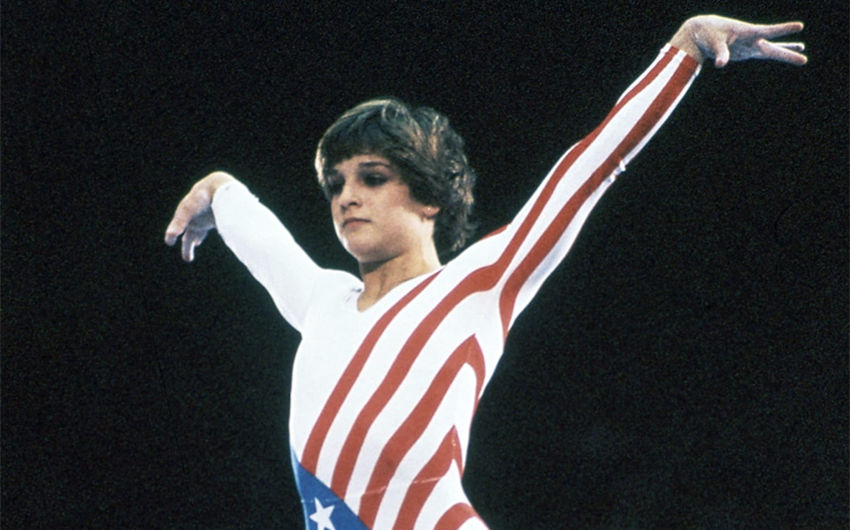
Mary Lou Retton’s career-defining moment came at the 1984 Los Angeles Olympics. She made history by becoming the first American woman to win the individual all-around gold medal in gymnastics. Her performance, which included perfect 10s and a dramatic finish, captivated the nation.
She left the Games with five medals in total—one gold, two silvers, and two bronzes—instantly becoming a national hero. That success turned her into one of the most marketable athletes in the country almost overnight.
From a financial perspective, the Olympics themselves do not offer prize money comparable to professional leagues. The real earnings opportunity comes afterward, through endorsements, appearances, and media exposure.
Endorsements, Sponsorships, and Media Fame
In the mid-1980s, Mary Lou Retton was everywhere. She appeared in commercials, most famously for Wheaties, and became a symbol of optimism, discipline, and American pride. For a brief period, she enjoyed endorsement opportunities that few Olympic athletes ever reach.
However, endorsement income is rarely permanent—especially for Olympians. Unlike professional athletes who compete season after season, gymnasts typically retire young, and public attention moves quickly to the next generation. Retton’s endorsement peak was intense but relatively short-lived.
This is a crucial point in understanding her net worth. She earned well during her moment of fame, but sustaining that income over decades is far more difficult than it appears from the outside.
Mary Lou Retton Net Worth: Estimated Figures Explained
There is no officially confirmed figure for Mary Lou Retton’s net worth. Most widely cited estimates place her wealth at around $1 million, sometimes slightly higher or lower depending on the source.
These figures should be understood as rough estimates, not precise accounting. They reflect assumptions based on her Olympic-era endorsements, ongoing appearances, and public work over the years. They also reflect what she likely did not earn: massive long-term salaries or guaranteed residual income.
For many fans, this number feels low for an Olympic legend. But it highlights an important truth—fame and wealth are not the same thing, and athletic success does not guarantee lifelong financial security.
Television, Speaking, and Post-Gymnastics Income
After retiring from competitive gymnastics, Retton remained active in public life. She appeared on television, participated in sports commentary, and became a sought-after motivational speaker. These roles provided ongoing income and helped keep her name relevant long after her competitive career ended.
She also served on national fitness initiatives and councils, aligning with her image as a health and wellness role model. While such positions bring prestige and visibility, they typically do not generate large financial windfalls.
Post-athletic careers often rely on consistency rather than scale. Retton’s income during this phase likely came from many smaller opportunities rather than a few large contracts.
Financial Challenges and Public Scrutiny
Public discussion of Mary Lou Retton’s net worth intensified in 2023, when she faced a serious health crisis involving severe pneumonia. Her family publicly asked for financial assistance to help cover medical expenses, revealing that she was uninsured at the time.
This moment shocked many people who assumed an Olympic legend would be financially protected. The situation sparked broader conversations about healthcare costs, insurance gaps, and the financial vulnerability of retired athletes.
The fundraiser raised significant support, but the episode reshaped public perception. It underscored that even highly recognizable athletes can face financial strain—especially when unexpected medical emergencies arise.
Personal Life, Family, and Financial Responsibilities
Like many public figures, Retton’s financial story is intertwined with her personal life. She is a mother and has navigated family responsibilities alongside her career. Divorce, household expenses, and long-term caregiving all play roles in shaping personal finances, regardless of fame.
These realities often go unmentioned in net worth discussions, yet they have a real impact on how wealth is preserved or depleted over time.
Lifestyle, Assets, and Financial Reality
Mary Lou Retton has never cultivated a flashy or luxury-driven public image. She has generally lived a relatively modest lifestyle compared to celebrities in entertainment or professional sports.
This doesn’t mean she lacks assets or savings, but it does suggest her wealth is not built on extravagant investments or large-scale business empires. Her financial reality appears consistent with someone who earned well during a short peak, supplemented that income over time, and faced real-world expenses like anyone else.
This is why net worth estimates alone can be misleading. A recognizable name does not necessarily mean high liquidity or financial security.
Featured Image Source: nbcnews